The Value of Professional Tree Services: A Guide to Tree Removal and Trimming
Expert tree care services serve a vital function in maintaining both safety and health within landscapes. Regular trimming and removal not only mitigate risks but also enhance tree vigor. Homeowners frequently underestimate how professional tree maintenance influences property value. Recognizing the fundamental value of professional tree care allows for more educated choices. What signs indicate that trees may require expert intervention, and how can one choose the right professionals for such tasks?
Why Tree Maintenance Is Crucial for Safety and Well-Being
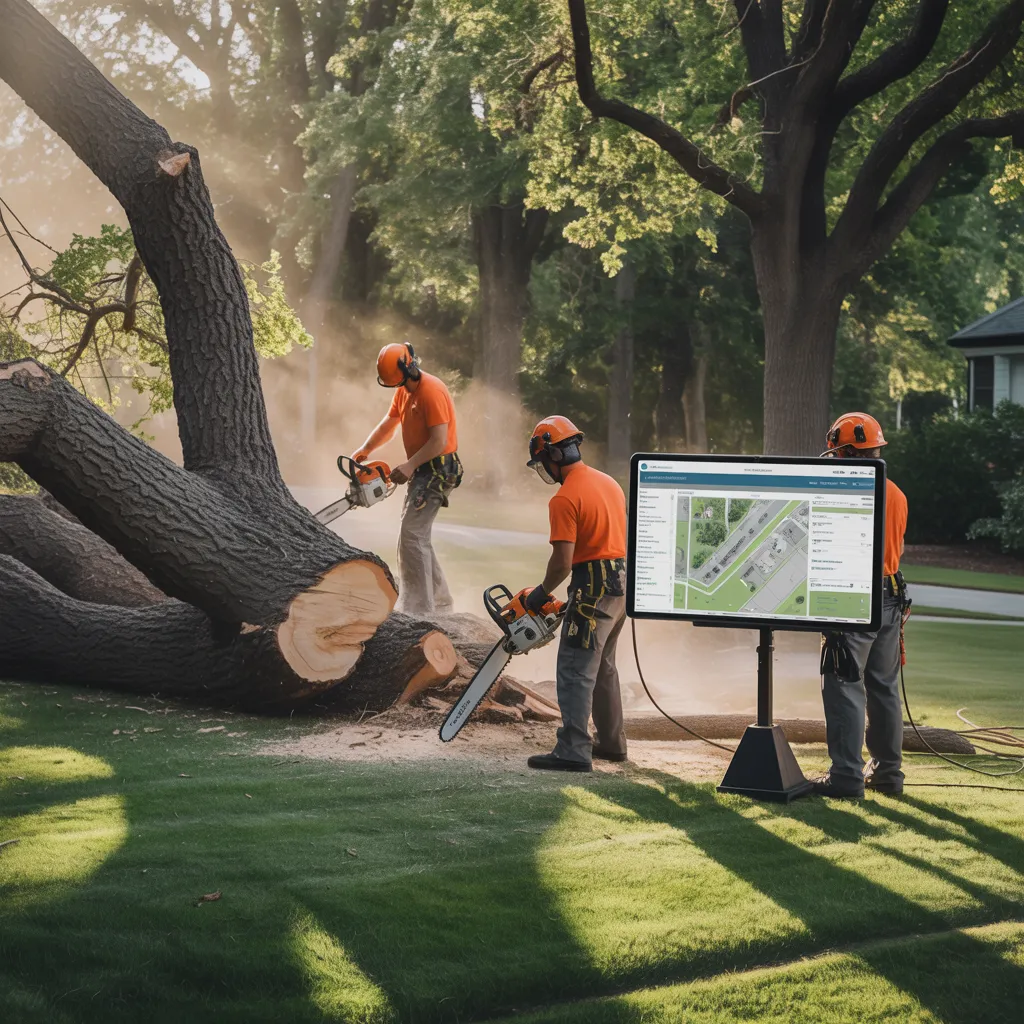
Appropriate tree management is vital for ensuring safety and health in both residential and commercial environments. Healthy trees contribute to the overall aesthetics of a property while supplying shade and boosting air quality. On the other hand, poorly maintained trees can turn into dangers, with decaying limbs presenting dangers of dropping during storms or strong winds. Additionally, trees affected by pests or diseases can spread these issues to nearby vegetation, jeopardizing entire landscapes.
Regular maintenance, including trimming and pruning, not only enhances a tree's structural integrity but also promotes healthy growth. This forward-thinking approach decreases the likelihood of tree-related accidents and property damage. Additionally, healthy trees can combat soil erosion and protect local wildlife, making a positive contribution to the ecosystem. Prioritizing proper tree care ultimately secures the safety of individuals and structures, while nurturing a vibrant environment that benefits both people and nature.
How Expert Services Boost Safety
Professional arboricultural services play a vital role in promoting safety by making certain trees are thoroughly maintained and structurally secure. Regular inspections and maintenance prevent potential hazards, including falling limbs or toppled trees, which may create hazards for people, structures, and vehicles. Certified arborists possess the expertise to identify fragile or infected limbs that might threaten tree stability, addressing these issues before they escalate.
Additionally, professional tree trimming methods guarantee that trees are shaped correctly, reducing the likelihood of sudden breakage during storms or high winds. The right equipment and safety procedures are used, reducing hazards during tree removal or trimming work. This professional approach not only protects the surrounding environment but also reduces liability for homeowners. By focusing on safety through skilled expertise, skilled tree service examination professionals develop a protected outdoor area, permitting homeowners to relish their outdoor space without worry of abrupt tree-related events.
How Skilled Care Helps Your Trees Stay Healthy
Preserving tree health demands both professional knowledge and consistent upkeep. Professional tree services employ trained arborists who have extensive expertise in tree biology, empowering them to spot concerns before they become serious. Scheduled assessments aid in uncovering diseases, pests, and deficiencies, ensuring timely interventions.
Expert care includes proper pruning methods that promote healthy growth and remove dead or diseased branches. This not only supports the tree's general wellbeing but also boosts airflow and light penetration. Professional fertilization and mulching additionally strengthen tree health by delivering essential nutrients and moisture retention.
Additionally, expert services can suggest the most appropriate tree species for particular landscapes, ensuring lasting sustainability. Through fostering ideal conditions for growth and addressing problems proactively, professional arborist services significantly contributes to the vitality and lifespan of trees, ultimately resulting in a more vibrant landscape.
Why Tree Maintenance Boosts Property Value
Proper tree maintenance considerably enhances a property's curb appeal, delivering a positive first impression for interested purchasers. A well-maintained landscape not only presents beautifully but also promotes a more balanced environment, encouraging biodiversity. These factors combined increase property value, making tree care a worthwhile priority for property owners.
Enhanced Curb Appeal
When homeowners invest in tree upkeep, they not only enhance the aesthetic appeal of their property but also considerably improve its market value. Well-maintained trees contribute to a home's overall charm, forming an appealing setting for potential buyers. Vibrant, thriving greenery can act as a natural frame for the house, drawing attention to architectural features and landscaping. In contrast, overlooked trees can reduce a property's attractiveness, suggesting underlying problems to prospective buyers. Consistent cutting and clearing of dead or sprawling branches increase openness and natural light, additionally beautifying the surroundings. Essentially, utilizing professional tree care ensures that the exterior remains inviting and vibrant, reinforcing the estate's attractiveness in a competitive market.
Healthier Landscape Ecosystem
A vibrant outdoor ecosystem is vital for enhancing property value, as it fosters a balanced environment that serves both flora and fauna. Consistent tree upkeep, including cutting and removal, secures strong growth and vitality of trees, which hold an important place in the ecosystem. Properly cared-for trees provide shade, boost air quality, and sustain wildlife habitats, all contributing to a more appealing outdoor space. Furthermore, a healthy landscape can minimize soil erosion and encourage biodiversity, making properties more desirable to future buyers. Investing in professional tree services not only enhances aesthetic appeal but also establishes a sustainable environment, ultimately elevating the overall property value. Property owners who focus on tree care enjoy both environmental and financial benefits.
Common Signs Your Trees Need Professional Attention
Trees may exhibit a number of warning signs that indicate the need for expert attention. Unhealthy leaves and bark, physical instability, and dead or dying branches are critical indicators that cannot be disregarded. Tackling these concerns in a timely manner can avoid additional damage and ensure the tree's health.
Deteriorating Leaves and Bark
Compromised leaves and bark are warning signs of potential problems that could endanger a tree's well-being. Leaf discoloration, such as yellowing or browning, commonly suggests nutrient deficiencies or underlying disease. Additionally, wilting or premature leaf drop can suggest stress or infestations. Problems with bark, such as cracks, peeling, or color changes, can expose underlying diseases or pest-related damage. Fungal growth on the bark can further signify decay, compromising the tree's structural integrity. Observing these symptoms early is essential, as they often escalate without intervention. Qualified tree service professionals are able to accurately assess the issues, delivering proper treatments or suggesting removal if required. Taking swift action to address unhealthy leaves and bark helps maintain the tree's well-being and has a positive impact on the surrounding environment.
Structural Weakness or Leaning
When trees display structural instability or lean noticeably, it commonly points to underlying concerns that demand expert assessment. The leaning of trees can result from various factors, including root damage, soil erosion, or inadequate anchorage. This kind of instability creates hazards not only to the tree's condition but also to adjacent structures and individuals. A tree that leans excessively may be more susceptible to falling during storms or strong winds, creating potential hazards. Furthermore, indications of uneven growth or irregular canopies may suggest that a tree is having difficulty maintaining its stability. Professionals equipped with the right tools and expertise can evaluate the situation, determine the cause, and recommend appropriate interventions, ensuring both the tree's safety and the surrounding environment.
Dead or Dying Branches
Observing dead or dying limbs is a clear indicator that a tree may benefit from professional attention. These limbs can negatively affect the overall health of the tree, making it vulnerable to pests and diseases. Additionally, they create a safety concern, as they can drop without warning, potentially causing personal injury or structural damage. A tree exhibiting dead or dying branches may also indicate underlying issues such as nutrient deficiencies, root damage, or disease. Periodic assessment by a certified arborist can assist in determining the tree's condition and determine the appropriate course of action. Early treatment not only enhances the tree's health but also ensures a safer environment for surrounding properties and people. Handling these concerns in a timely manner can prevent more extensive problems in the future.
How to Choose the Best Tree Care Professionals
What steps can one take to ensure they hire the most competent tree care specialists? First, it is essential to research local services and read customer reviews. A reputable company should have positive feedback and testimonials that highlight their expertise and reliability. Licenses and connections with recognized professional bodies additionally signal a devotion to industry guidelines and sustained professional development.
Next, potential clients should ask about insurance and licensing. A reputable tree care professional must maintain proper liability insurance and be properly licensed to perform work in the area. This benefits both the home or property owner and the service workers.
Additionally, requesting numerous estimates enables comparing prices and services, assuring that individuals make informed decisions. Finally, gauging a provider's understanding throughout preliminary meetings can indicate their professional capabilities. By applying these recommendations, individuals can confidently select a tree service professional who meets their specific needs and ensures the care and preservation of their trees and landscape.
Frequently Asked Questions
How Much Should You Expect to Pay for Professional Tree Removal?
Expert tree removal services typically costs between $200 and $2,000, based on variables including tree size, location, and difficulty of removal. Further charges may stem from required permits or the use of specialized machinery.
What Season Is Ideal for Tree Trimming?
The best time for tree trimming is commonly recommended in the final weeks of winter or the start of spring prior to new growth emerging. This approach supports vigorous regrowth and reduces stress on the tree, ensuring ideal health and appearance.
Are There Any Regulations for Tree Removal in My Area?
In many cases, there are laws regulating the removal of trees, which differ depending on location. Individuals should contact local city offices or environmental regulatory bodies to find out about the particular regulations and permits necessary for tree cutting.
Can I Perform Tree Care Myself Safely?
Performing tree care oneself can be risky in the absence of adequate knowledge and tools. Safety measures, appropriate tools, and understanding of tree biology are essential. Professional assistance is often recommended to guarantee safety and effective care.
What Tools Do Professionals Use for Tree Services?
Specialists use various equipment for tree services, including wood chippers, chainsaws, pruning shears, aerial lifts, and stump grinders. These specialized tools guarantees efficiency, safety, and precision while handling tree care and maintenance tasks proficiently.